About Plaistow Grove
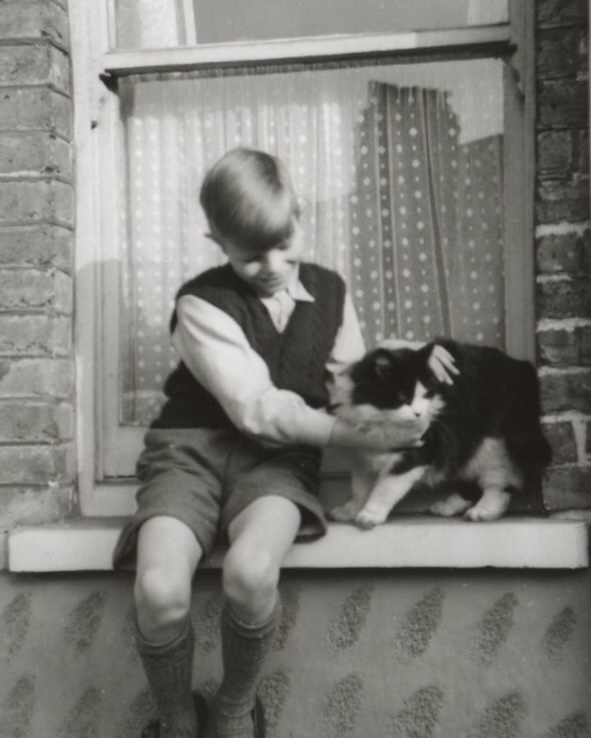
Plaistow Grove holds a rich and intimate history. It is best known for Number 4, a "two-up, two-down" Victorian terraced house that served as the childhood home of David Bowie from 1955 to 1968. During these formative years, the house acted as his creative sanctuary, where he wrote early songs and began his evolution from a suburban schoolboy into the artist we know today.
While David Bowie’s childhood residence gives Plaistow Grove its modern fame, the street’s foundational history is deeply rooted in the late-Victorian transformation of Bromley from a quiet Kentish market town into a bustling London suburb. This rapid transformation was fuelled entirely by the British railway boom.
The Land Schemes of the 1870s
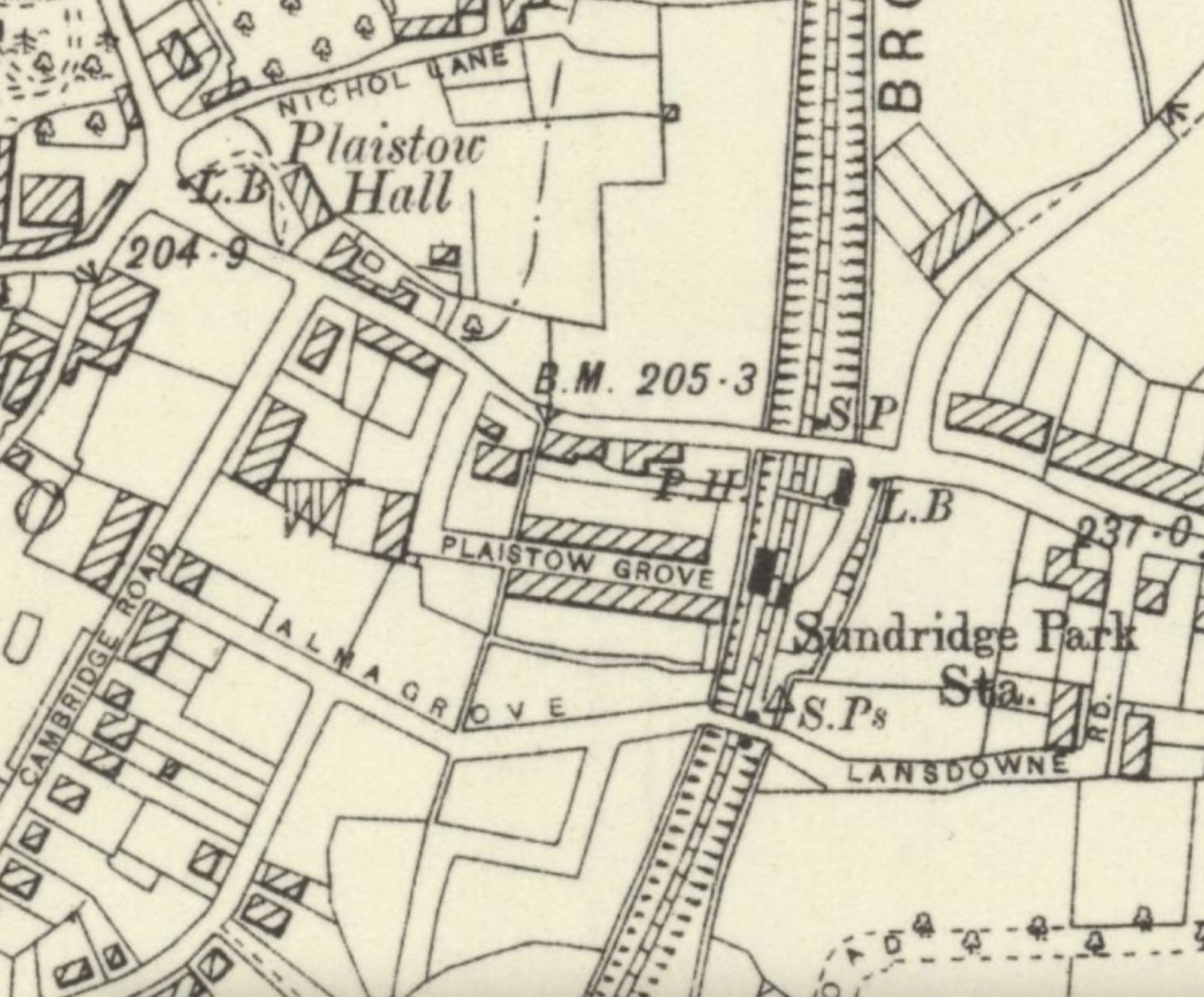
Before the Victorian era, the land that would become Plaistow Grove belonged to the vast agricultural and wooded parcels north of the Sundridge Park estate, much of it previously owned by the wealthy 18th-century banker Peter Thellusson. In the 1870s, the People’s Freehold Land Society stepped in, purchasing large swathes of rural Plaistow with a specific plan: to subdivide the land into affordable, residential plots for the burgeoning middle and working classes.
Plaistow Grove was laid out during this Victorian development wave, designed to host compact, terraced housing for local labourers, tradespeople, and the railway workers who were physically constructing the new infrastructure nearby.
The Bromley Direct Railway
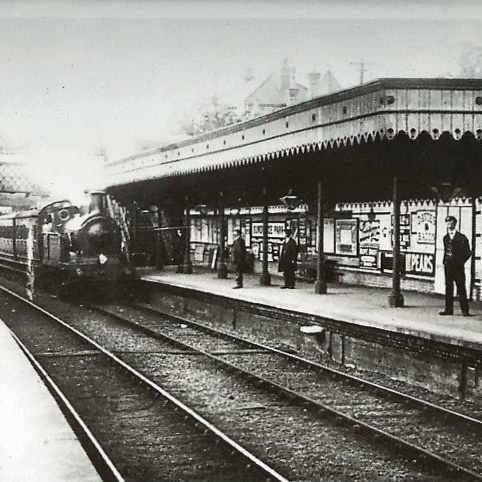
The catalyst for creating Plaistow Grove was the construction of the Bromley North branch line. In the mid-1870s, the Bromley Direct Railway Company was formed to build a short, 1.5-mile branch line to connect the northern end of Bromley directly to the South Eastern Main Line at Grove Park. The line opened to passengers on 1 January 1878.
Plaistow Grove was laid out almost perpendicular to these newly laid tracks, placing the residents at the epicentre of the railway boom. The branch line featured only one intermediate station: Plaistow Station, which opened at the request of a local landowner and was just a short walk from Plaistow Grove. To avoid confusion with Plaistow in East London, the station was later renamed Sundridge Park Station. For generations, the branch line has been a crucial suburban artery, taking local workers into central London.
Architectural Echoes of the Steam Age
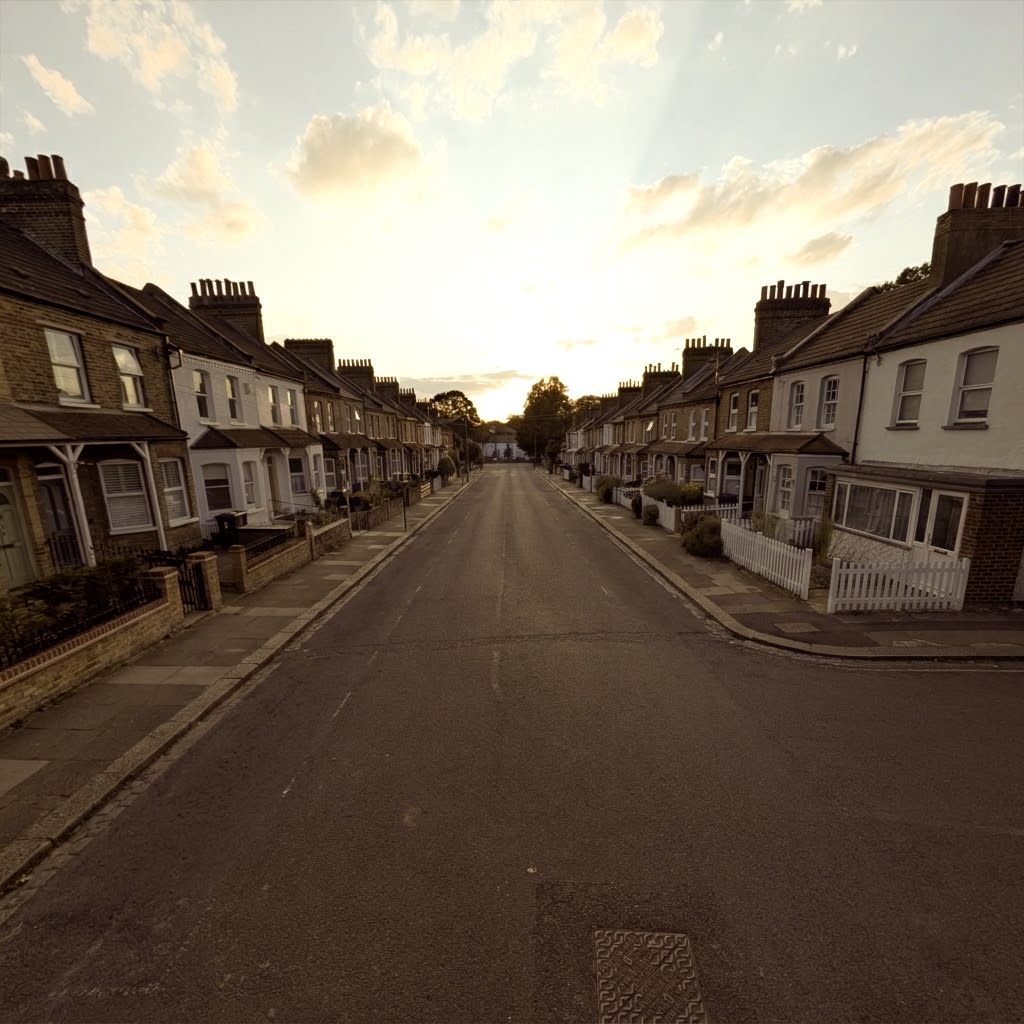
The railway did more than just pass by the end of the street; it dictated the architecture and community structure of Plaistow Grove. Proximity to the tracks meant that early residents lived amidst the sights, sounds, and coal soot of steam locomotives heading to the Bromley North terminus.
When the line was electrified in 1926 by Southern Railway, the immediate environment evolved, but the Victorian and Edwardian brickwork of Plaistow Grove remained a permanent fixture of this transport-driven era. Today, the street stands as a remarkably intact example of a late-Victorian railway community, where the quiet terraced houses still echo the distinct, historic rhythm of the old Bromley branch line.